

 EN
 CN
TIN TỨC
Returning Player Cash AUD at an Australian Online Casino
When a player comes back to a real-money account, the cashier window changes first. I’ve spent twenty-five years watching slots, online products and platform development at Amerson Global Gaming, and I’ve learned that returning-player cash flow is where operators earn or lose trust. This decision guide weighs the questions you should ask before you deposit again, with a review focus on how play as a returning player cash AUD moves from registration to withdrawal.
What the Cashier Window Actually Means for You
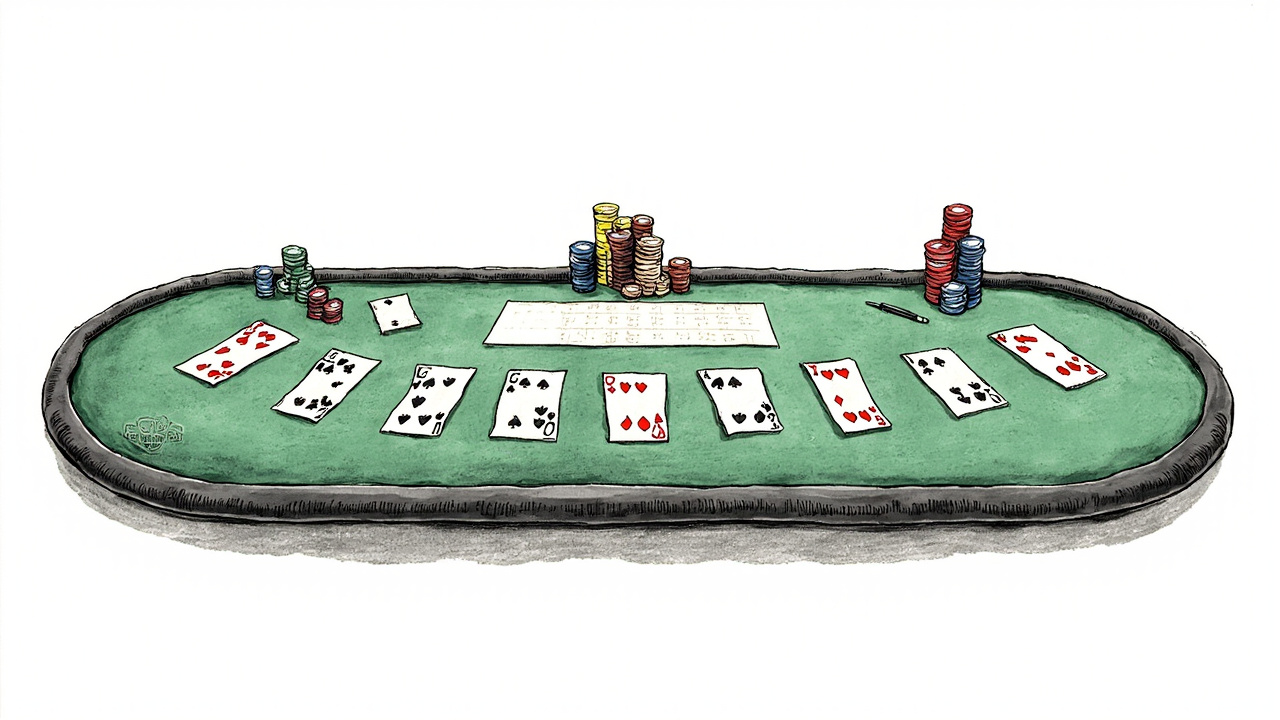
The first thing to weigh is whether the platform treats your money like yours from the moment it arrives. In a physical venue, the “cage” is the casino’s central cashier, where chips are exchanged for money, and that same principle should carry over to an online cashier. When you return to a site, the cashier needs to show your balance, pending withdrawals and any bonus conditions in plain language, not buried under tabs.
I’ve judged platforms by whether the cashier updates in real time after a deposit clears, because a lag there turns a fast payment method into a waiting game. For an Australian player using AUD, the currency should stay fixed through the flow – no hidden conversion steps that quietly shrink the amount you thought you funded. If a site asks you to re-enter card details every time you come back, that’s a sign the platform hasn’t remembered you properly, and that friction matters when you want to play in a spare arvo between shifts. stellar spins reviews
The second question is how the platform handles the gap between deposit and playable balance. Some operators release the full deposit immediately; others hold a portion until verification passes, which is normal but should be stated upfront. I’ve seen creative-industry teams build slick interfaces that still lose players because the payout path is vague, so I judge a returning-player experience by whether the cashier explains limits, processing windows and what happens if a withdrawal overlaps with an active bonus. If the site can’t tell you that in a few sentences, keep looking.
How Deposits, Withdrawals and Verification Fit Together
Payment methods and the AUD flow
When you return as a player, the payment section should feel familiar rather than rebuilt from scratch. A decent cashier keeps AUD as the base currency, accepts methods you can actually use locally, and shows processing times before you commit. I’ve worked on platform development where the payment flow was the hardest part to get right, because every method has its own settlement rhythm and the interface has to respect that without making the player do the math.
What I look for is a cashier that separates deposit from withdrawal clearly, lists limits per method, and doesn’t mix bonus money with real cash in a way that confuses the balance. If you’re funding with a card or an instant transfer, the deposit should reflect quickly enough that you can start playing without refreshing the page ten times. For withdrawals, the platform should tell you whether the same method is used for payouts and whether there’s a minimum or a weekly ceiling that changes your plan. I’ve judged products by whether the payment screen answers those points before you click confirm, because a returning player shouldn’t have to hunt for basic terms.
A solid returning-player cashier tends to share these traits:
- AUD stays the working currency from deposit through withdrawal, with no surprise conversion step.
- Deposit and withdrawal limits are shown per method, not hidden in a terms page.
- Processing times are stated before you submit, so you can plan around them.
- The same payment route can usually be reused without re-entering everything.
- Bonus and real-money balances are displayed separately, so you know what’s withdrawable.
Verification and the withdrawal path
Verification is the part most returning players underestimate, and it’s where a platform either respects your time or turns a simple payout into a delay. When you come back, the site may already hold some of your details, but a withdrawal can still trigger a fresh check if the account hasn’t been fully cleared. That’s normal, and it’s also the moment where a platform’s honesty matters most.
I’ve seen operators bury verification status behind support tickets, which is a poor sign. A better setup shows what’s still needed – ID, proof of address, or a payment method match – and lets you upload it without restarting the whole process. I’ve judged platforms by whether the verification step is specific, because vague requests waste time and make players guess what to send. If a site asks for the same document twice or won’t say why a withdrawal is paused, that’s a red flag for anyone coming back to cash out.
For an Australian player, the practical question is whether the platform can process a withdrawal in AUD without forcing you through a maze of currency changes or unclear hold periods. The odds of winning a major national lottery jackpot are often longer than being struck by lightning, and that’s a useful reminder that the real test of a casino is not a headline bonus but whether your money moves out cleanly when you want it to. A returning-player cashier should make that path visible, not mysterious.

Matching the Cashier to What You Actually Want
The final question is whether the platform’s cash setup matches the way you play. If you log in occasionally and withdraw regularly, a platform with clear limits and a fast verification loop suits you better than one built around long bonus rollovers. If you prefer to keep funds in the account and play across sessions, the cashier should still show your real-money balance separately from any promotional credit, so you know what’s yours.
I’ve judged this by comparing platform behaviour to what happens in a well-run creative project: the user should always know the current state of their work. In a casino cashier, that means your deposit status, your withdrawable balance and any pending checks should be visible in one place. When I test a returning-player flow, I ask whether I can tell within a minute what I can play, what I can withdraw, and what’s still held up. If the answer is no, the platform hasn’t done the basic work.
For players around Newcastle and across Australia, the practical detail is whether the cashier works the same way on mobile as it does on desktop, because a lot of play happens between appointments or on a lunch break. A platform that remembers your payment method, keeps AUD steady, and explains its limits is easier to trust when you return. That’s the standard I apply, and it’s the one I’d suggest weighing before you deposit again.
If you’ve come back to a casino cashier that handled your AUD cleanly, or one that made you work for a withdrawal, I’d like to hear how it went – share your experience in the comments or send this along to a mate who’s weighing the same decision.
